
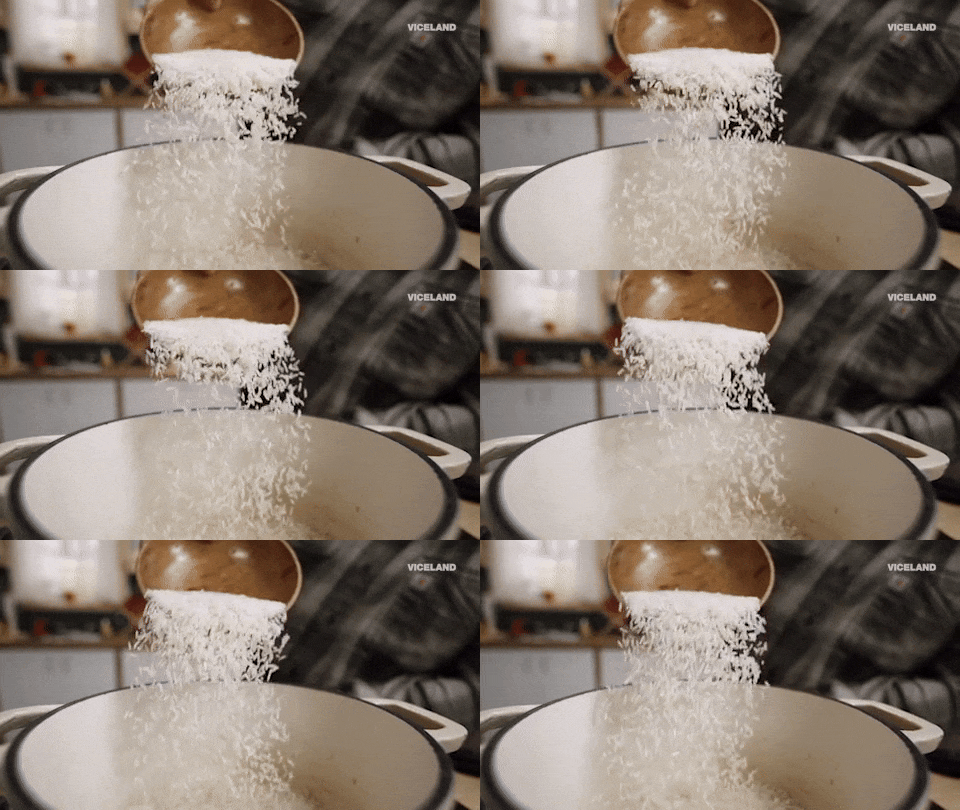
In a long list of nicknames that my husband affectionately calls me, “rice princess” is one of his top 5. He knows that I absolutely LOVE rice and always tend to default to it as my carb of choice.
I grew up eating rice pretty much every day, so now that I’m an adult, it has become a staple in my pantry.
What’s not to love? It’s delicious, fills you up and complements almost any type of meat and vegetable.
Think about it…
Steak (and rice)
Porkchop (and rice)
Chicken (and rice)
Seafood (and rice)
Eggs (and rice)
Peas (and rice)
Mushrooms (and rice)
Broccoli (and rice)
I could go on and on.
No wonder rice is used in hundreds of recipes all around the world.
You can’t go wrong with adding rice as a side dish. It goes with pretty much anything. Well, almost anything — there are a few exceptions.
Most of the time, rice is like the supporting actor who lets the big star shine. It doesn’t really overpower the dish but helps balance the flavor while bringing out the best in the meat or veggies.
Although once in a while, it likes to take the lead and be the main star. But it’s usually pretty humble about it and plays well with the other ingredients, for the most part.
How many types of rice are there?
You’re probably familiar with white rice and brown rice. But there are so many kinds of rice to choose from.
According to the Rice Association, there are over 40,000 varieties of rice in the world!
That’s way too many to talk about here but Wikipedia does a great job listing all the different types of rice.
To make things easy, rice typically falls into 3 main categories: long-grain, medium-grain and short-grain rice.
Long-grain rice
Common examples: American long-grain white rice, American long-grain brown rice, jasmine rice, basmati rice
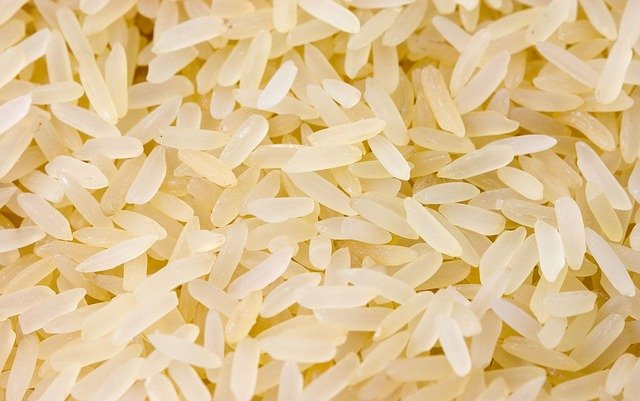
Just like the name suggests, long-grain rice is thin and lengthy. It’s about 4 times longer than it is wide, which makes it firmer and drier than it’s shorter counterparts.
Jasmine and basmati rice fall into this category.
Usually, this type of rice is great for making fried rice, pilafs and even salads because it doesn’t clump together like some of the others.
It also complements saucy dishes, like curry and stews, really well because it soaks up all that yummy flavor without it becoming too mushy.
Medium-grain rice
Common examples: arborio rice, calrose rice, Chinese black (or forbidden) rice, rosematta rice
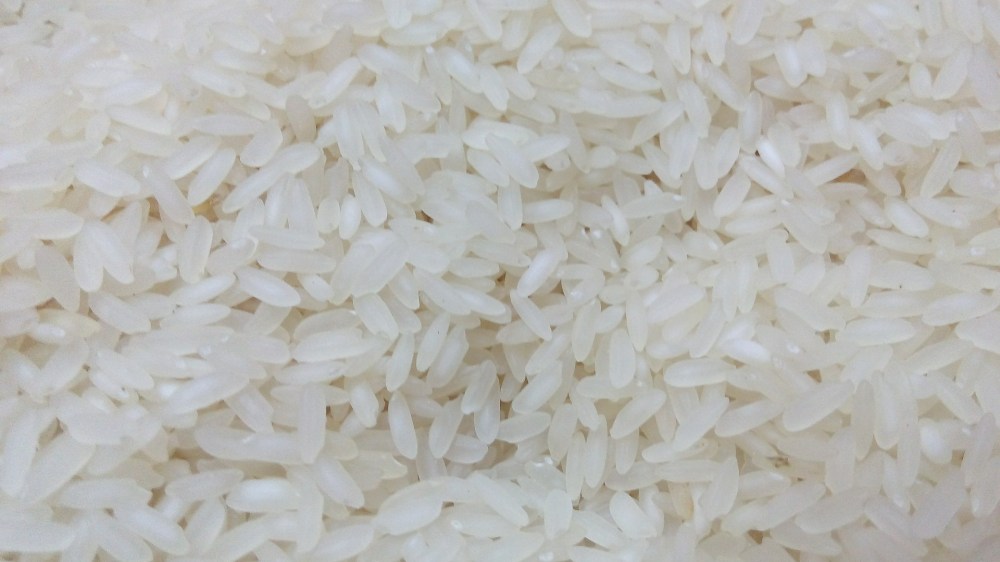
Medium-grain rice is 2 times as long as it is wide. When cooked, it’s tender, slightly chewy and fluffy, but starts to stick together as it cools.
The most well-known is arborio rice, which is perfect for making risotto. The rice releases its starches to create a deliciously creamy dish that leaves you craving more.
This type of rice is also very common in Asian households and is casually known as “table rice” or the everyday rice.
It was one of my all-time favorites when I was a kid because it was easier to pick up with chopsticks.
Short-grain rice
Common examples: Japanese short-grain, bomba (or Valencia) rice
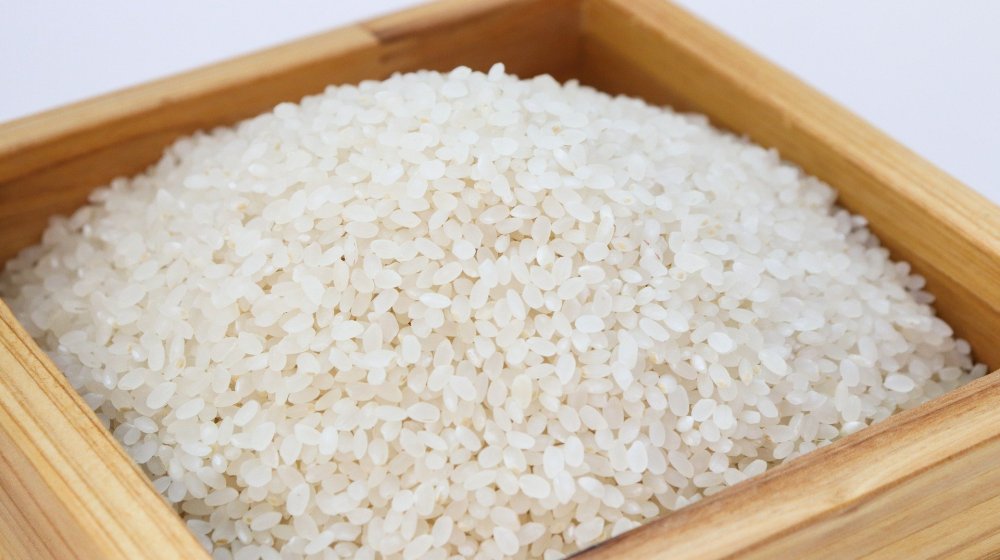
You’ve guessed it, short-grain rice is short and fat. Because of its starchiness, it quickly clumps together once it’s cooked.
This is the kind of rice often used for paella and rice pudding.
It is also most commonly used for sushi. The stickiness of cooked short-grain rice allows for molding and shaping — making it ideal for sushi rolls and nigiri.
PRO TIP — use white sushi rice when you’re making rolls. There have been times when I’ve picked up a piece of sushi to eat and suddenly the rice and filling start to fall out. FAIL!
That’s what I get for trying the healthier brown sushi rice options when eating out. Or maybe I just haven’t found a place that has mastered the art of using brown sushi rice yet.
Specialty rice
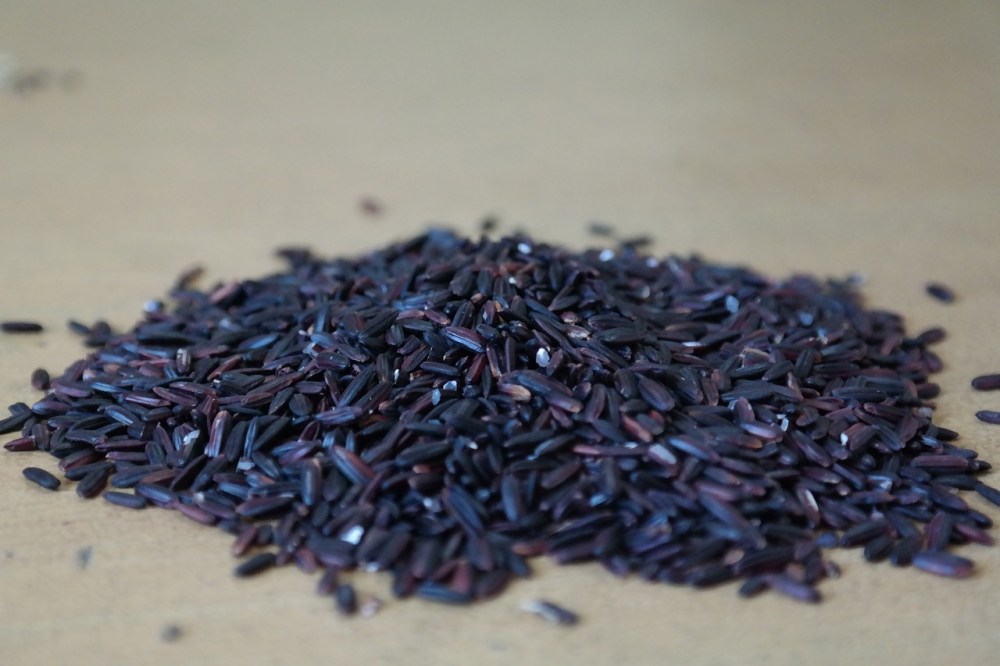
Common examples: glutinous rice (sweet rice, sticky rice), wild rice, red cargo rice, purple Thai rice, parboiled rice
There are also many other unique varieties of rice that deserve to be placed into their own category — specialty rice.
These can differ in color, texture, size, aroma and other characteristics compared to the three types I mentioned earlier.
I’d like to think of myself as an adventurous eater. I’m always looking for ways to expand my palate with new recipes and dishes.
I can’t wait to bring you along as I explore the vast world of rice and try many of the different ones that I didn’t even know about.
What’s your favorite type of rice?
Is there one that you’ve been wanting to try but haven’t yet?
 Worth the Carbs